Wildlife of the Wild Lodge
Our retreat is nestled in quiet fields and forests where Swedish wildlife thrives. Here are the most common animals you can spot right from the lodge.
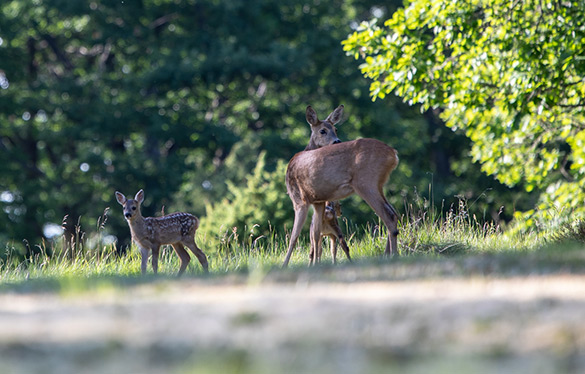
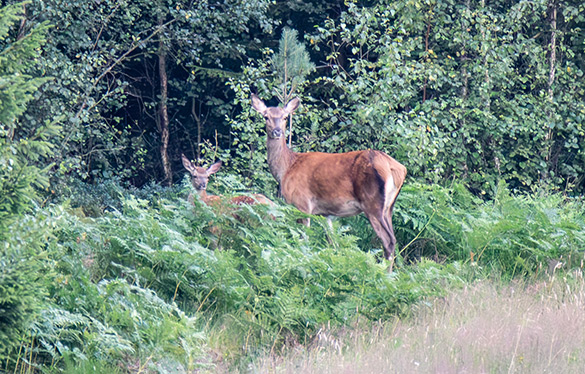
Red Deer
Deer are common and graceful animals in the Swedish countryside and are often seen moving quietly along forest edges and open meadows, especially at dawn and dusk.
They are herbivores and feed on grass, leaves, shoots, and berries. During winter, they survive on twigs and bark, adapting well to the changing seasons.
Deer are generally shy and alert. If they sense danger, they will quickly disappear into the forest, often signaling others by lifting their tails or moving in short, bounding jumps.
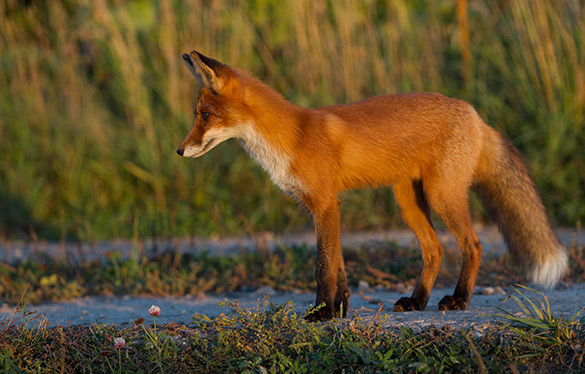
Red Fox
The red fox is the most common fox species in Sweden and can be found in forests, fields, and even near farms and small towns. It is known for its beautiful reddish fur and bushy tail with a white tip.
Red foxes are highly adaptable and opportunistic animals. They eat small mammals, birds, insects, berries, and sometimes leftovers from human activity, which helps them survive in many different environments.
Usually solitary and cautious, the red fox is most active during dusk and night. If spotted, it often pauses briefly to observe before quietly slipping away into the landscape.
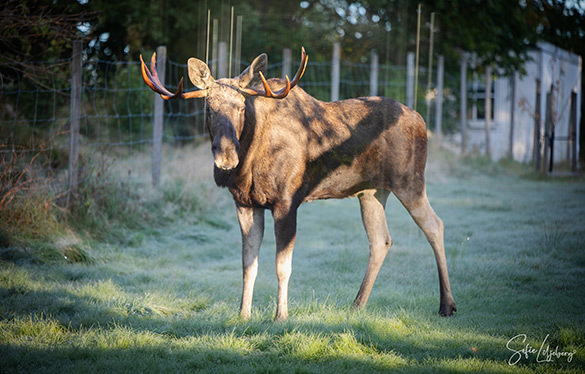
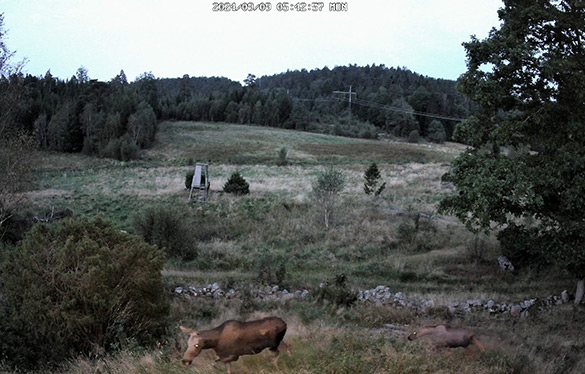
Moose
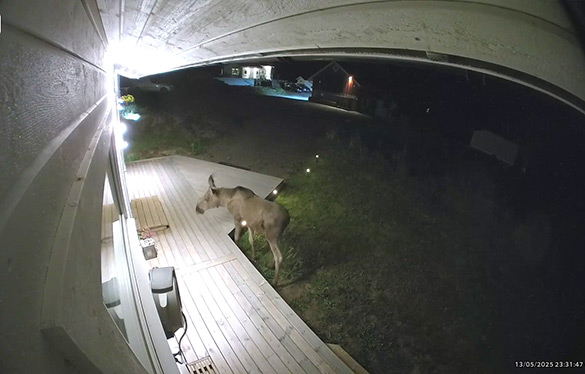
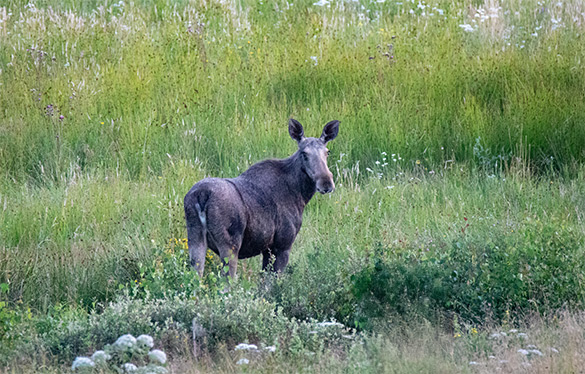
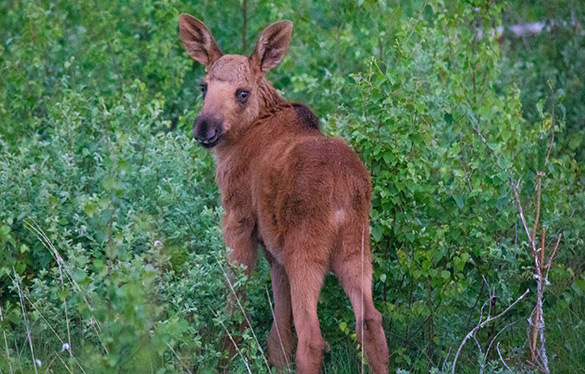
The moose is the largest land animal in Sweden and a true symbol of the Nordic wilderness. With its long legs and impressive antlers, it often moves calmly through forests, wetlands, and quiet clearings.
Moose are herbivores and feed on leaves, twigs, bark, and aquatic plants. During summer, they are often seen near lakes and marshes, where they enjoy both food and cooling water.
Despite their size, moose are generally calm and shy creatures. They prefer to avoid people and will usually move away silently if they sense disturbance.
Encountering a moose in the wild is a powerful and memorable moment — a reminder of the strength, scale, and calm presence of nature in Sweden.
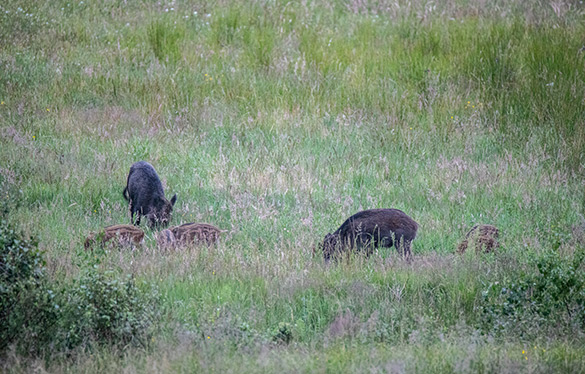
Wild Boars
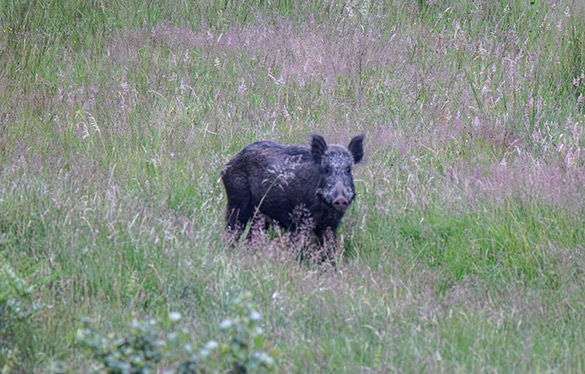
Wild boars are common in many parts of Sweden and are most often found in forests and areas with dense vegetation. They are strong, sturdy animals with dark bristly fur and a powerful build.
They are omnivores and feed on roots, acorns, berries, crops, insects, and small animals. Using their snouts, they dig in the ground in search of food, which can leave visible marks in fields and forest soil.
Wild boar usually move in small groups, called sounders, and are most active during dusk and night. They are generally shy and avoid humans, but can be protective if they feel threatened.
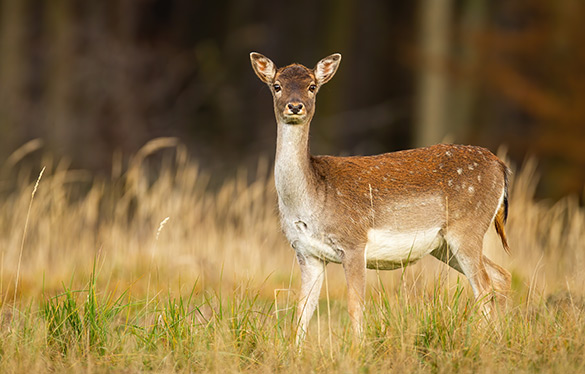
Fallow Deer
Fallow deer are not a common sight in this part of Sweden and when seen they are often in open fields or at the edges of forests. They are easily recognized by their elegant appearance, spotted coats, and palmate antlers.
They are herbivores and feed mainly on grass, leaves, herbs, and shoots. During autumn, they also eat acorns and other forest foods, helping them build energy for the winter months.
Fallow deer are social animals and often move in groups, especially outside the breeding season. They are alert and cautious, quickly retreating into the forest if disturbed.
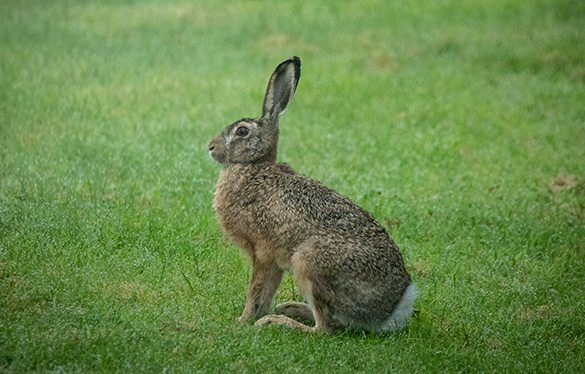
Hare
The hare is a fast and alert animal commonly found in open fields, meadows, and forest edges across Sweden. With its long legs and large ears, it is perfectly adapted for speed and sharp senses.
Hares are herbivores and feed on grass, herbs, buds, and bark. During winter, they often rely on twigs and shoots when fresh vegetation is scarce.
Unlike rabbits, hares usually live alone and do not dig burrows. They rest above ground and depend on their camouflage and quick reactions to avoid predators.
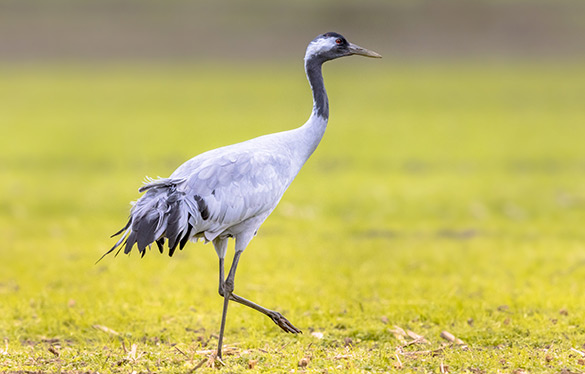
Common Crane
The common crane is one of Sweden’s most iconic birds and is especially known for its loud calls and impressive wingspan. It is often seen in wetlands, open fields, and near lakes during spring and autumn.
Cranes feed on insects, worms, small animals, grains, and plant material. During migration seasons, they gather in large numbers at resting sites, creating a remarkable natural spectacle.
They are cautious and observant birds that usually keep a safe distance from humans. When alarmed, they take off with powerful wingbeats and their characteristic trumpeting sound.
Any questions? Ask your hosts!
We truly want you to enjoy your stay and are happy to help.